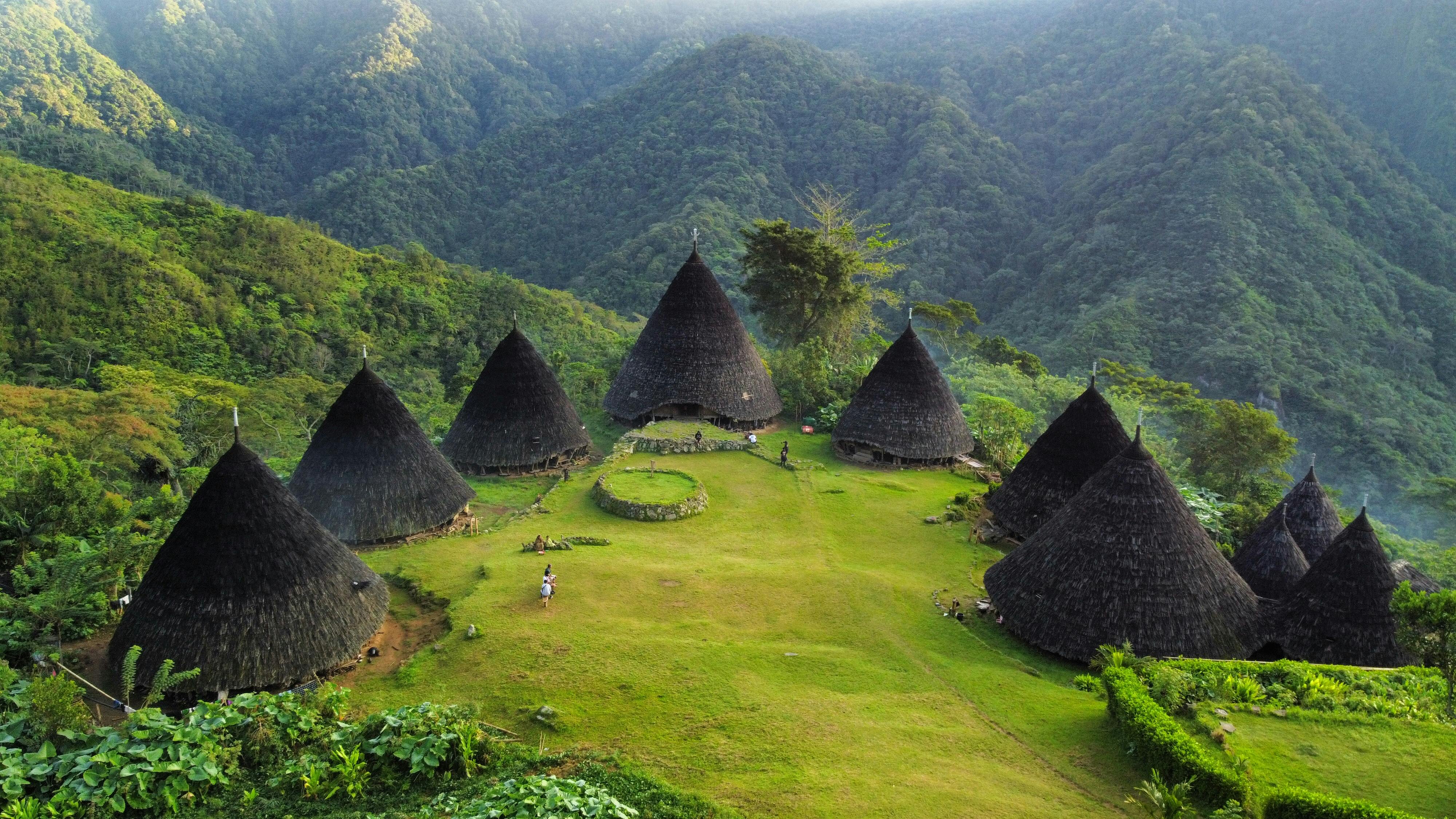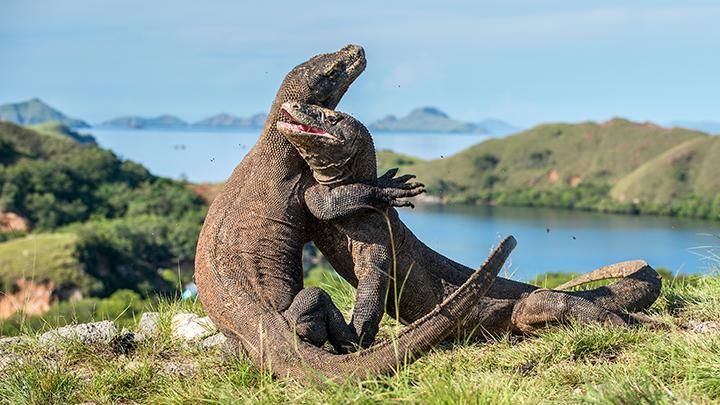
Most travelers open their calendars, glance at the months of November through March, and close it again. Rainy season. Not the right time for Labuan Bajo, they think. But they're wrong — and that mistake turns into luck for those who know.
In the tourism industry, the November–March period in Flores is known as Green Season. Not "monsoon season", not "rainy season" — Green Season. And that difference in name isn't just marketing. It's a shift in perspective that changes everything.
Rain doesn't ruin your journey to Labuan Bajo. It transforms its colors — from blue to green, from crowded to quiet, from ordinary to unforgettable.
— Travel notes, repeat guest of Basa Basi Trip
What's Different During Green Season?
The rainy season in Labuan Bajo is different from rainy seasons in big cities. Rain usually falls briefly in the afternoon or evening — not all day long. Mornings are typically perfectly clear for outdoor activities. And when it does rain? That's when Flores reveals its most beautiful face.
5 Reasons Green Season is the Best Time
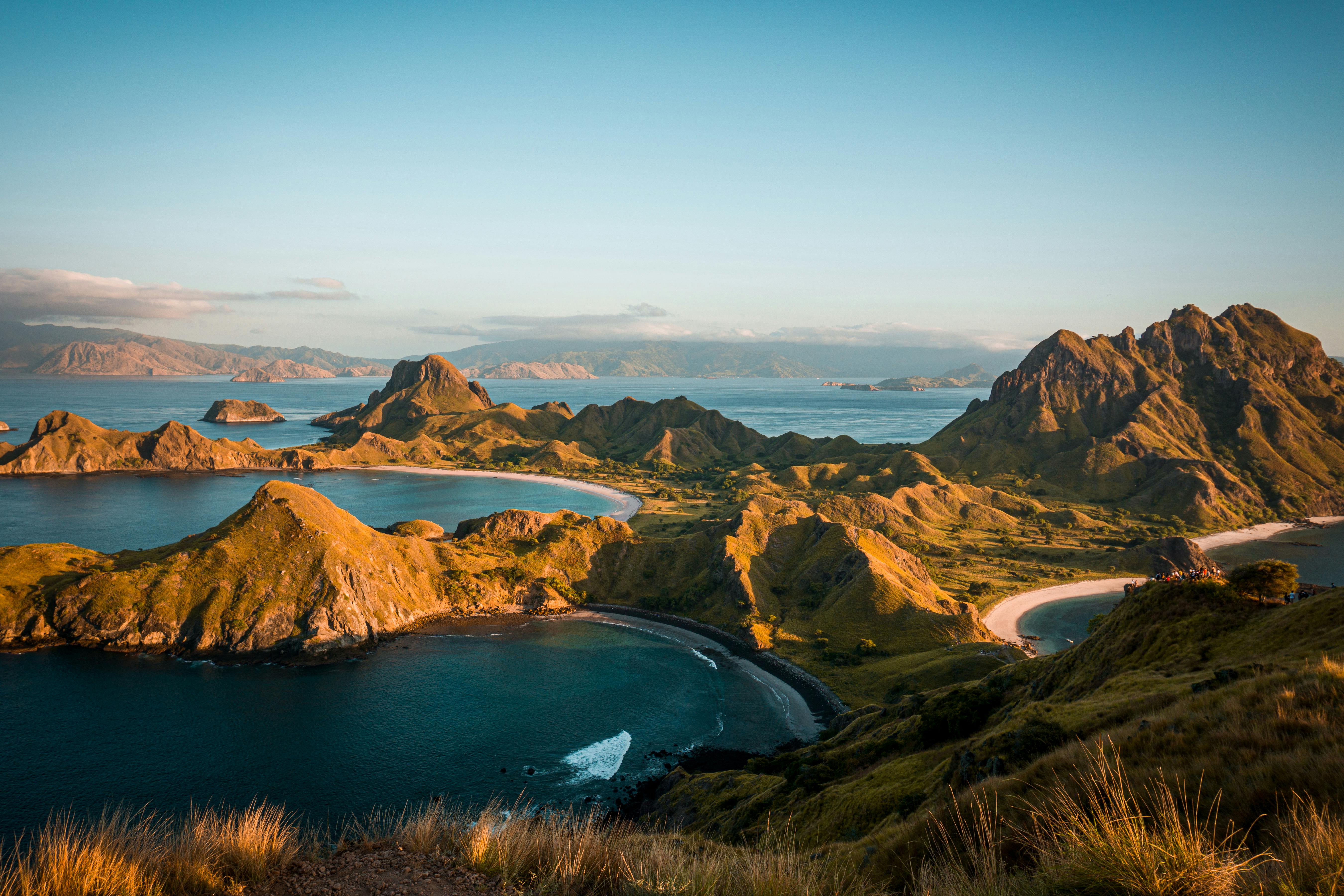
1. Padar Island Turns Into a Green Carpet
During dry season, Padar's hills are golden brown — beautiful, but slightly arid. During Green Season, those same hills are covered in thick green grass that reflects the golden morning light. The contrast against the blue sea below? Absolutely breathtaking.
2. Fewer Crowds, More Privacy
Tourist numbers drop significantly. That means you can photograph the Padar summit without queuing, snorkel at Pink Beach nearly alone, and a less crowded boat provides a much more intimate experience. This isn't just comfort — it's a privilege.
Book your trip in December–January for the best combination: cooler temperatures, dramatic layered skies, and trip prices more affordable than the July–August peak season.
3. Clearer Underwater Visibility for Snorkeling
Paradoxically, underwater visibility during Green Season can actually be better because ocean currents bring nutrients that attract more fish. Manta Rays also appear more frequently at Manta Point during this period — they prefer slightly warmer water temperatures.
4. More Affordable Prices
Accommodation, flight tickets, and trip packages can drop 20–40% compared to peak season. For the same quality of experience — or even better — this is a deal that's hard to ignore.
5. More Dramatic Sunrises
Clouds left over from the previous night's rain create lighting effects that simply cannot be planned. Travel photographers call it a "dramatic sky" — and Padar during Green Season is one of the best locations in Indonesia to capture this kind of photo.
What to Prepare
- Bring a compact rain jacket — not an umbrella. On a boat, an umbrella is impractical.
- Store all electronics in a dry bag or layered ziplock bags.
- Choose morning departures (before 10 AM) to maximize clear weather.
- Let your guide know you want itinerary flexibility if the weather changes.
- Wear SPF 50+ sunscreen — the sun between clouds is often more intense than you'd expect.
I came in December because of cheap tickets, with no particular expectations. But the sunrise at Padar that morning — with orange-purple clouds and green hills — was the most beautiful moment in 10 years of traveling.
— Reza, traveler from Yogyakarta, December 2024
Green Season is not a compromise. It's a different choice — not worse, just different. And for some travelers, that difference is precisely what makes their journey to Labuan Bajo truly unforgettable.